
Take steps toward zero waste living

Zero Waste is a movement to reduce the amount one consumes and consequently throws away. It challenges the old way of thinking about waste as something that has no value and to be thrown away.
According to the Zero Waste Alliance, zero waste is the conservation of all resources by means of responsible production, consumption, reuse, and recovery of products, packaging, and materials without burning and with no discharges to land, water, or air that threaten the environment or human health.
Going Zero Waste helps to conserve, reduce pollution, create jobs in waste management, reduce waste costs, increase the lifespan of our landfills that are quickly filling up and mitigate climate change.
Adopting a Zero Waste lifestyle is one of the most sustainable ways of living and it means being more mindful about what we throw out, and taking active steps to significantly reduce the amount of trash we produce. As a result, we will consume less, minimise waste, and are likely to save money!
What exactly is ‘waste’? It is defined as anything discarded after its primary use or is deemed worthless, defective or no use. Each year, the world produces around 2.12 billion tonnes of waste. In Singapore, 7.23 tonnes of solid waste was generated in 2019, of which 4.25 million tonnes was recycled.
While the amount of waste created is reducing year on year, there’s still a long way to go. We can all play a part in tackling the waste crisis by reducing consumption, reusing old items and recycling what can no longer be used.
1. Reduce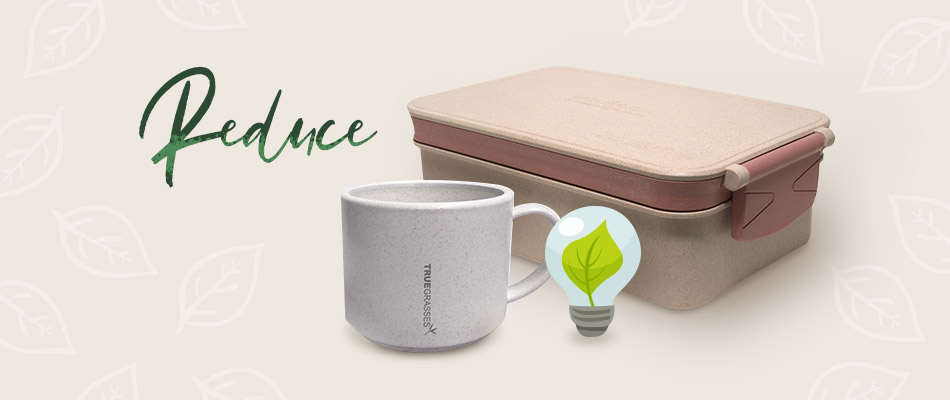
Start by looking at the way we consume to start discovering ways to reduce the waste products in our lives. Plastic waste makes up the biggest source of waste, followed by food, then paper and cardboard In the average Singapore household. Singaporeans throw out 4.8 million plastic items each day. By bringing our own reusable straws or water bottles, we can help reduce our daily usage of 2.2 million plastic straws and 1.27 million polyethylene terephthalate (PET) bottles.
Maybe you realize you’re throwing away a lot of trash by getting to-go coffee and takeout. When you leave the house, you will almost always remember to take your phone, wallet and keys. So get into the habit of bringing your own reusable mug and containers when you’re packing food from the hawker centres or coffee joints so that you can avoid disposable Styrofoam boxes and cups. Mamashop offers a lunch box made of all-natural materials that prevent chemicals from leaching into your food as well as beautifully designed mugs made from rice husk perfect for your daily coffee dose.
If you’re a beauty junkie and are discarding tons of shampoo, lotion and soap bottles, switch to shopping for sustainably made products from package-free shops. Rather than paper towels and napkins, choose reusable cloth versions and reduce plastic bags by using big shopping bags made from canvas, mesh, cloth or recycled plastic.
2. Reuse 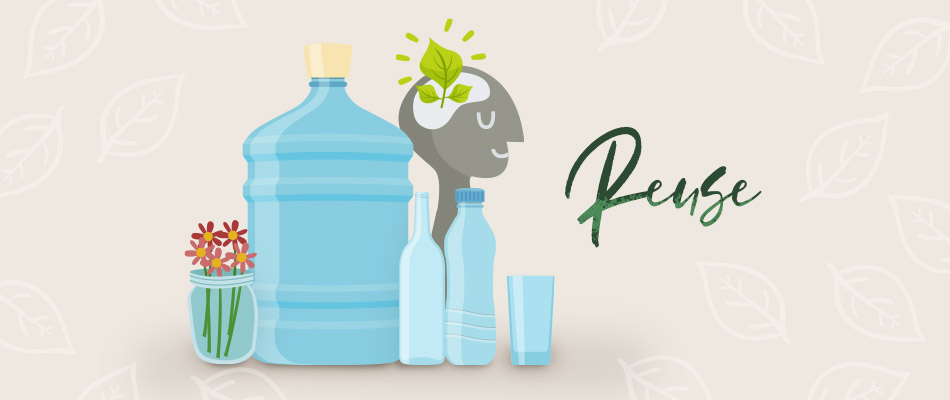
The fashion industry is the second-largest polluter in the world and produces more greenhouse emissions than international flights and shipping combined. One way to achieve an eco-friendly and yet remain stylish is to swap clothing with friends and buy second-hand on Carousell.
You may also consider repurposing worn out items, shop for used goods, and purchase reusable products like steel water bottles. Glass and stainless-steel containers of all shapes and sizes can be cleaned and reused over and over again, and easily transported and are great for buying produce and products from package-free stores. Also, do find a way to reuse an old item whenever you can by donating or giving these items to friends
3. Recycle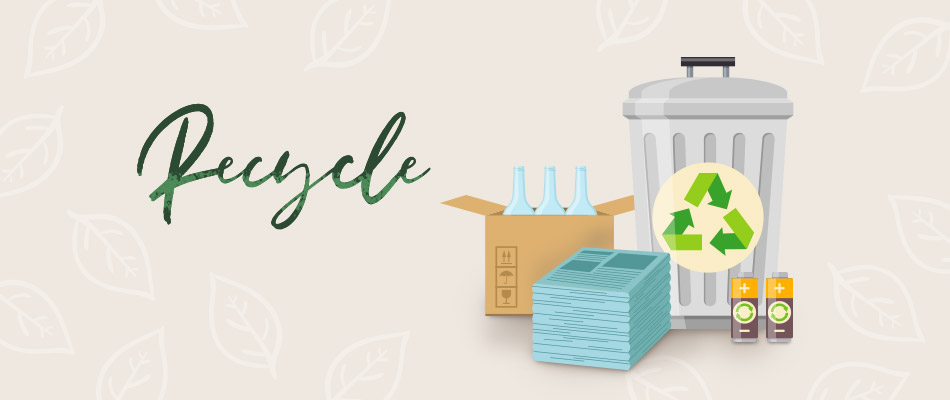
If you aim to go Zero Waste, aim to keep as much away from landfills as possible by throwing as little of your old items away into the trash as possible. Recycle whatever you can in the right way. Unfortunately, forty percent of what is placed inside the local blue recycling bins are not suitable for recycling. That’s because these items are either contaminated with food and liquids, or made of materials that can’t be recycled at all. Only paper, glass, metal and plastic can be recycled and ensure that your containers are clean and not contaminated with food.
Going on a zero-waste lifestyle doesn't happen overnight, and it might even take years to reduce your consumption. But you’re awesome for wanting to make this change and for making the effort to do so!
-
 August 04, 2025
Vanessa Ong | Women of Power 2025
-
 May 29, 2025
技能创前程庆十周年 总理:未来须让员工更易获得行业相关培训
-
 August 14, 2024
National Day Parade 2024
-
 August 14, 2024
Go Green SG 2024: A Month of Eco-Friendly Action and Fun
-
 July 15, 2024
Plastic Free July